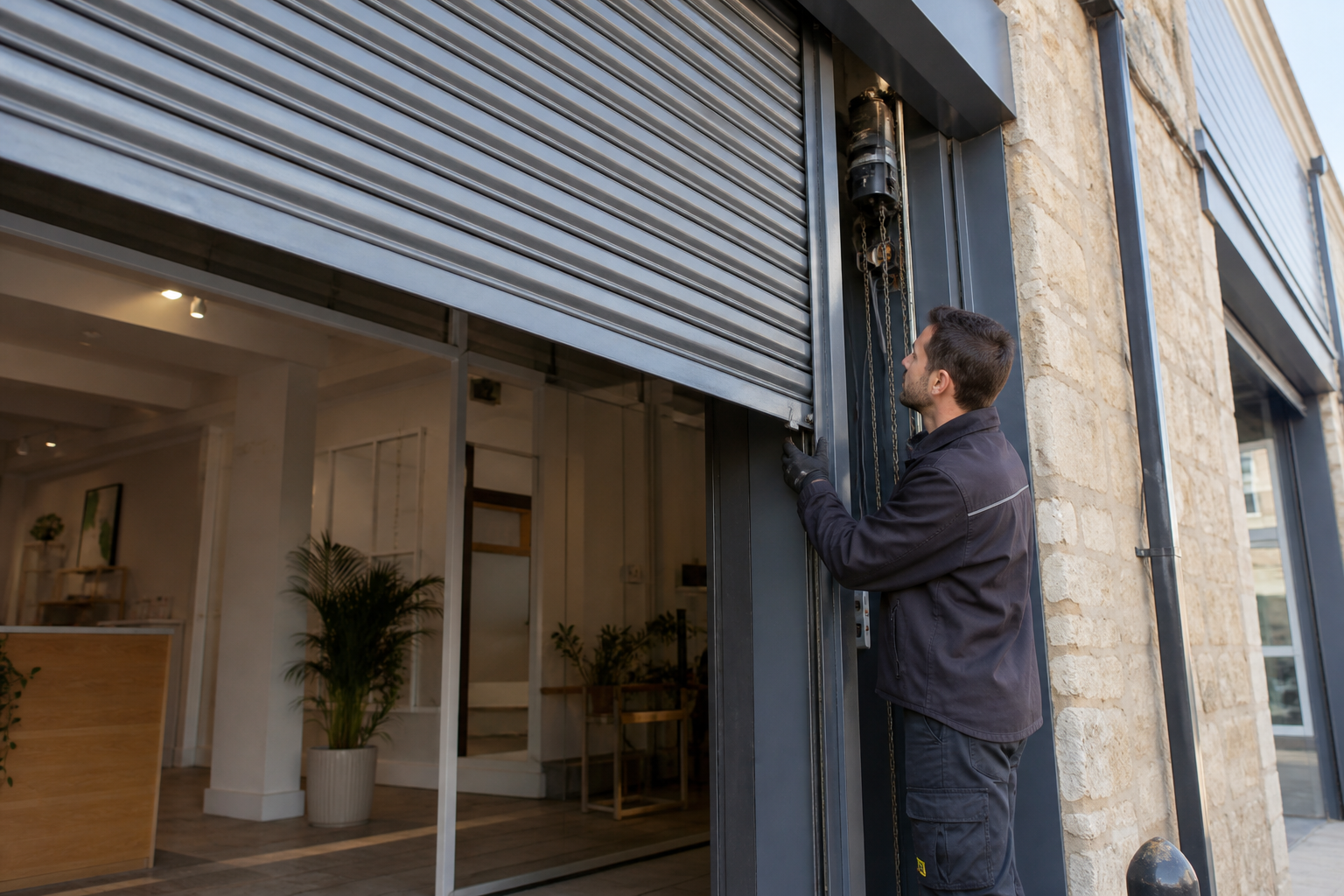
Electric Garage Door Repairs Dorset: 7 Signs Your Opener, Motor or Sensors Need Attention

If your powered garage door has started hesitating, reversing or ignoring the remote, it is usually a sign that something in the system needs attention. People searching for electric garage door repairs Dorset are rarely looking for general advice alone; they want a dependable fix before access, security or day-to-day convenience gets worse.
At Abbey Garage Door Repairs, we repair electric openers and automatic garage doors from our base in East Orchard, Shaftesbury, SP7 0BA. We work with residential and commercial customers, and because we have been established since 1987, we know how often a small electrical fault is made worse by delay. In many cases, the earlier the problem is checked, the simpler the repair can be.
Why electric garage door faults should be checked early
An electric garage door is more than a motor on a bracket. The opener, safety sensors, running gear and the door itself all need to work together smoothly. When one part starts struggling, the system often compensates for a while before the fault becomes much more obvious.
The door may stop securing the garage properly.
The motor can be put under extra strain.
Intermittent faults can become complete failures at the worst possible moment.
Safety features such as auto-reverse or sensor stopping may no longer behave as they should.
If your door is becoming unreliable, it is best not to force it or keep resetting it and hoping for the best. A professional inspection can identify whether the issue is electrical, mechanical or a combination of both.
Electric Garage Door Repairs Dorset: 7 Signs to Watch For
1. The remote or wall control only works some of the time
One of the earliest signs of trouble is inconsistent response. You press the remote and nothing happens, then it works on the second or third attempt. In some cases, the wall control behaves differently from the handset, or the range becomes noticeably shorter.
Sometimes the cause is simple, but intermittent response can also point to a failing opener component, wiring issue or an internal control fault. If the behaviour is becoming more frequent, it is worth getting it checked before you end up unable to open the door when you need it or unable to secure the garage properly.
2. The door starts moving, then stops part way or reverses
If your door begins opening or closing and then suddenly stops, reverses or returns to the open position, the system is telling you something is not right. On electric doors, this can be linked to sensor faults, travel limit problems or extra resistance in the door mechanism.
This is not a fault to ignore. Repeated stop-start movement puts more strain on the opener and can leave the garage unsecured. We often find that what appears to be an opener issue is actually a sign that the door is not running as freely as it should.
3. You can hear the motor, but the door barely moves
If the motor hums, buzzes or sounds active but the door does not lift properly, there may be a problem in the drive system or elsewhere in the door assembly. This can feel especially frustrating because the unit appears to have power, yet the door still fails to operate correctly.
It is also a good example of why electric faults should not be diagnosed by guesswork. The problem may sit with the opener itself, but it can also be related to worn components, poor alignment or a door that is placing too much load on the automation.
4. The opener is making new noises
Electric garage doors are not silent, but they should sound reasonably consistent. Grinding, clicking, straining or unusually loud humming often means the system is working harder than it should.
New noises can come from the motor, the drive mechanism or from the door hardware the opener is trying to move. Either way, a change in sound is usually a change in condition. Arranging repair early can help prevent a minor issue from turning into a more expensive one.
5. The safety sensors keep stopping the closing cycle
Safety sensors are designed to prevent the door from closing when something is in the way. When they are out of alignment, dirty, damaged or affected by wiring issues, the door may refuse to close fully or may reverse for no obvious reason.
Typical signs include flashing lights on the opener, a door that opens normally but will not close, or a door that only closes if you keep operating the control. Sensor faults are common on automatic systems, and because they affect safe operation, they should be dealt with promptly rather than bypassed.
6. The door has become slower, heavier or more strained
Many people assume a slow electric door means the motor is simply wearing out. Sometimes that is true, but just as often the opener is struggling because the door is not balanced or running cleanly. Tracks, rollers, springs and cables can all influence how hard the motor has to work.
This is where experienced inspection matters. Treating every slow door as a motor fault can miss the real cause. Our approach is to look at the full system so the repair addresses the underlying problem, not just the symptom.
7. You are having to use workarounds to keep it usable
If you now leave the door open because it may not close, keep the manual release in regular use, or avoid using the garage at certain times because the automation is unpredictable, the system needs attention. A powered garage door should make access easier, not create daily uncertainty.
Unreliable automation also affects security. If the door does not close correctly every time, or if you no longer trust it to respond when needed, arranging a professional repair is the sensible next step.
What a professional electric garage door inspection usually looks at
With automatic doors, the visible symptom is not always the real fault. A proper repair visit should consider how the opener and the door work together.
Opener function: response to remote controls, wall controls and the motor unit itself.
Safety sensors: alignment, condition and whether the close cycle is behaving correctly.
Travel and force settings: whether the door is stopping, reversing or overworking.
Door movement: balance, alignment and whether the door runs smoothly without excess resistance.
Wear on connected parts: components that may be causing the motor to strain.
If you need electric garage door repairs or broader automatic garage door repairs, this wider view matters. It helps ensure the repair is based on the real cause of the problem.
Why customers call Abbey Garage Door Repairs
We are a family-run business established since 1987, based in East Orchard, Shaftesbury, SP7 0BA. We repair all types and sizes of up and over garage doors, roller shutters and electric openers, and we work with both residential and commercial customers.
Customers choose us because we offer clear advice and practical repair experience, including:
Repairs to all makes of doors
No call out charges
Free quotations
Free expert advice
Trading Standards Approved
Supply and fitting of new electric openers to existing garage doors
Motor replacement on roller shutters where needed
Whether you need a one-off repair or want an unreliable system properly assessed, our garage door repair service in Dorset is focused on restoring safe, dependable operation without unnecessary fuss.
Frequently asked questions
Why is my electric garage door opening part way and then stopping?
This often happens when the opener detects resistance or a safety issue. The cause may be a sensor fault, a travel setting problem, or extra drag in the door itself. Because several parts can create the same symptom, inspection is the best way to identify the true cause.
Can garage door sensors be repaired or do they need replacing?
That depends on the fault. Some sensor problems are caused by alignment, dirt or a loose connection, while others involve damaged components that need replacement. A professional check can determine which applies to your system.
Is it safe to keep using an automatic garage door that is playing up?
It is better not to keep forcing an unreliable electric door. Intermittent faults can worsen, place extra strain on the motor and affect safe closing behaviour. If the door is reversing unexpectedly, failing to close or making new noises, arrange a repair rather than working around it.
Do you repair existing electric openers as well as fit new ones?
Yes. We repair electric openers and automatic garage doors, and we also supply and fit new electric openers to existing garage doors when that is the better option for the customer and the system.
Do you cover both homes and commercial premises?
Yes. Abbey Garage Door Repairs works with residential and commercial customers from our base in Shaftesbury.
Conclusion
Most electric garage doors give warning signs before they fail completely. If you have noticed intermittent controls, reversing, sensor problems or a motor that sounds strained, acting early can help avoid bigger disruption and restore reliable day-to-day use.
For professional electric garage door repairs in Dorset, call Abbey Garage Door Repairs on 01747 360268 to arrange an inspection. We are a family-run business established since 1987, with no call out charges, free quotations and free expert advice.